
Asphalt Plant
- Home
- Asphalt Plant
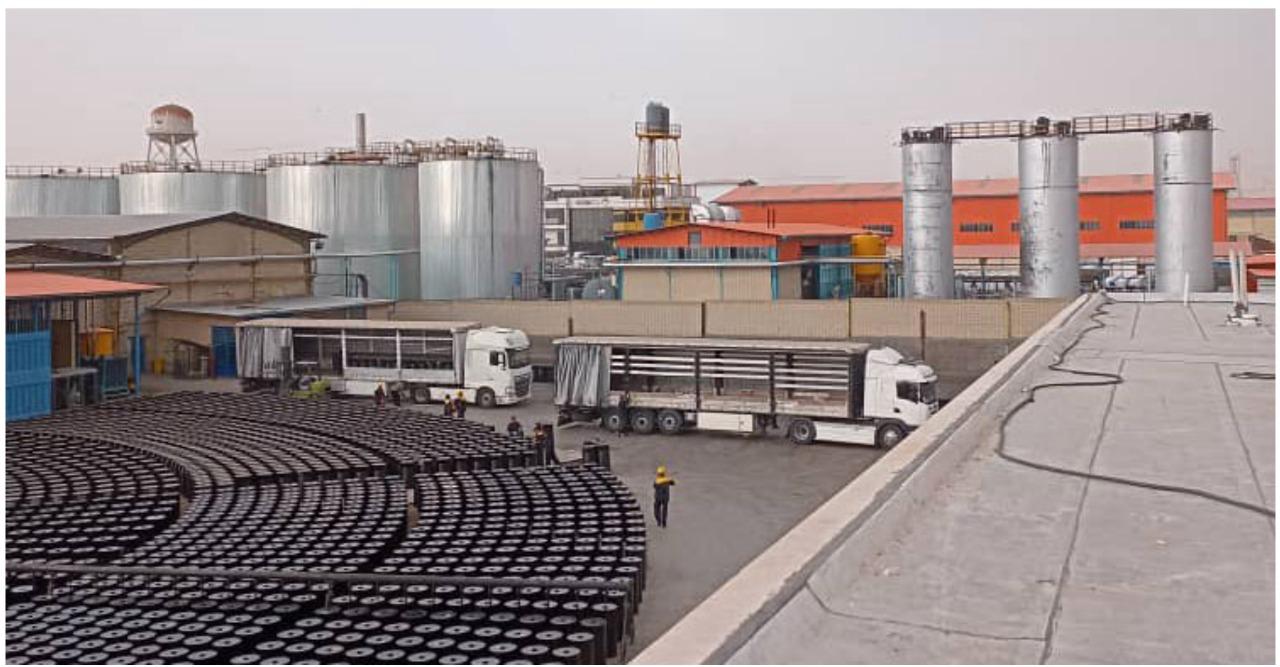
The vacuum distillation tower separates the components of the feedstock (RCR) into VGO, LVGO, HVGO, SLOP WAX, and VR under vacuum pressure to ensure that the components do not carbonize.
It raises the temperature of the feedstock (RCR) to 385–400 °C. Additionally, calculated amounts of steam are injected to utilize the vapor pressure of water and to reduce carbon formation inside the furnace tubes.
Heat exchangers play a fundamental role in transferring heat between materials whose temperature needs to be increased or decreased.
Types used: Shell & Tube with Floating & Fixed tube bundles
Functions:
Cooling the final product
Recovering heat from high-temperature products (economic benefit, improving energy efficiency)
Pumps are the lifeblood of fluid transportation within the plant, moving feedstock to reactors, between towers, and from heat exchangers to storage tanks. We use centrifugal pumps as well as gear-type pumps.
In this tower, the Vacuum Residue (VR) from the vacuum distillation tower is converted into oxidized asphalt of various grades and types.
Products of Ard Al-Muheet Plant for Oxidized Asphalt Production
The oxidized asphalt plant produces a specialized range of bituminous products designed to meet the needs of the road sector, insulation applications, and various industries. The plant relies on the latest oxidation and thermal-control technologies to ensure products that conform to international standards (ASTM – EN – Iraqi Specification).
Main Products
Oxidized Asphalt
115/15
- High softening point and excellent thermal stability
- Ideal for thermal and waterproofing insulation
- High resistance to cracking and deformation
Oxidized Asphalt
90/15
- Medium hardness with suitable flexibility
- Used in insulation membranes and industrial materials
Oxidized Asphalt
85/25
- An ideal balance between strength and flexibility
- Suitable for specialized bituminous industries and insulation applications
Oxidized Asphalt
75/25
- Stable performance across different temperatures
- Suitable for hot and cold insulation
Oxidized Asphalt
40/50
- Higher hardness compared to medium grades
- Suitable for heavy industrial applications requiring durability and thermal stability
- Used in rigid insulation, major road paving, and specialized construction works
Asphalt
60/70 (Paving Grade)
- Suitable for road paving works
- Strong performance under loads and fluctuating temperatures
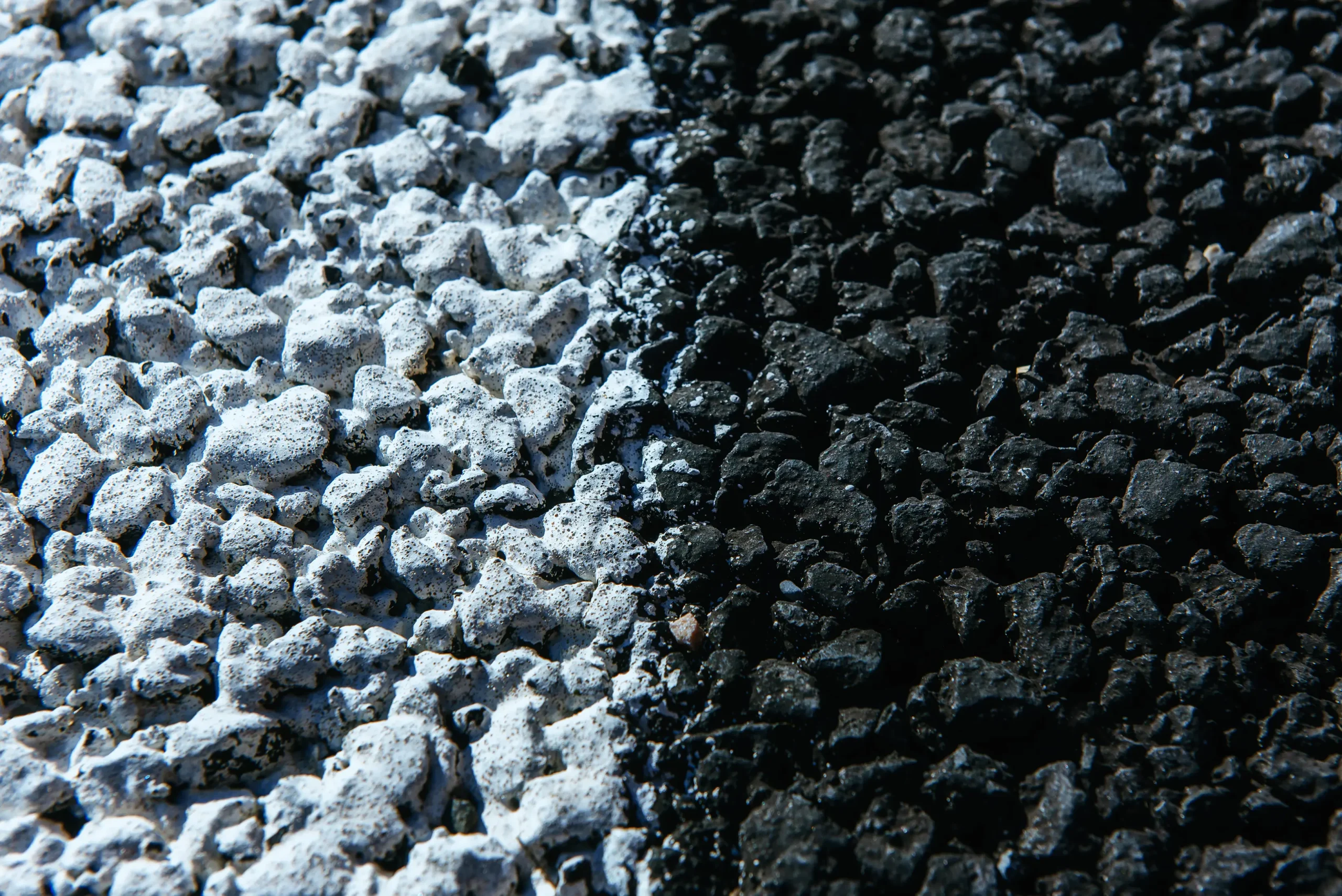
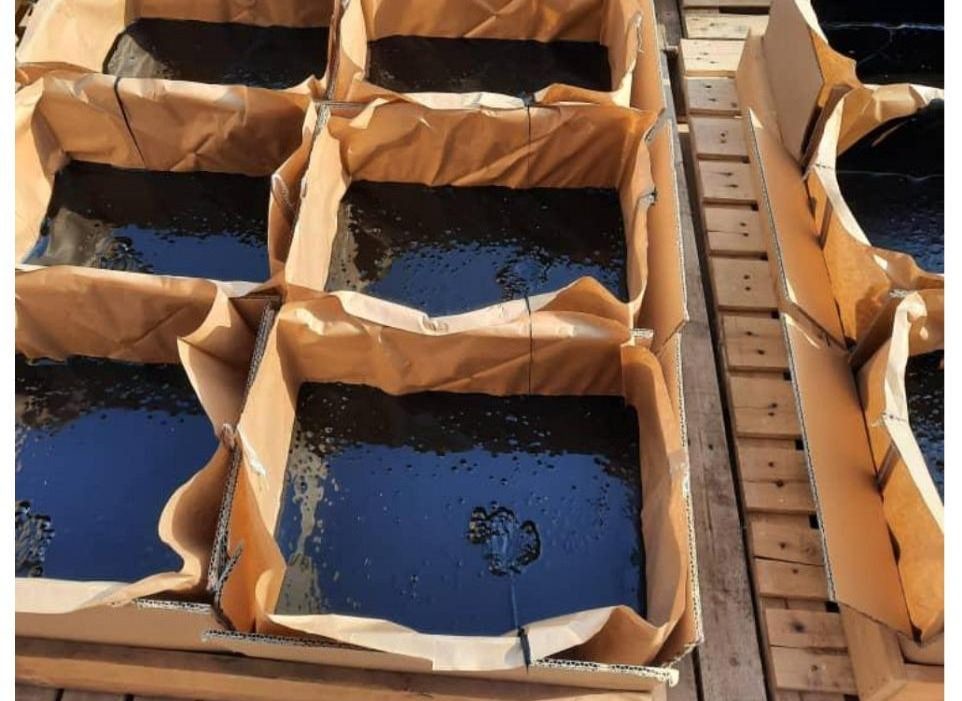
Advantages of Our Products
The products of the oxidized asphalt plant are characterized by a range of technical and operational features that make them the ideal choice for various industrial and construction projects. Among these advantages are:
High Thermal Stability
The products withstand high temperatures without losing their properties, making them suitable for harsh working environments.
Improved Flexibility and Crack Resistance
Our products contain a balanced carbon content that enhances resistance to cracking and deformation under different loads.
Precisely Controlled Viscosity
The plant uses advanced oxidation systems to control viscosity accurately according to application requirements
Compliance with International Standards
ASTM – EN – Iraqi Specifications
Supported by inspection reports for every production batch.
Excellent Adhesion
Enhances the performance of insulation and paving and extends material service life.
Purity and Consistent Quality
Pure black color and stable composition with no batch-to-batch variation.
More Environmentally Safe
Full compliance with environmental treatment systems and safe handling of emissions and residues.
Wide Range of Grades
The plant provides a broad selection that meets all industrial and construction sector needs.
By-Products Generated from the Oxidized Asphalt Production Process
HVGO – Heavy Vacuum Gas Oil
A high-density heavy oil used as industrial fuel or as feedstock for cracking and hydrotreating units.
MVGO – Medium Vacuum Gas Oil
A medium-density oil used in fuel industries and hydrotreating processes.
LVGO – Light Vacuum Gas Oil
Suitable for catalytic cracking and producing light fuel derivatives.
VGO – Vacuum Gas Oil (Mixed Cut)
An important feedstock for conversion units and for producing heavy fuels.
This system is responsible for receiving the feedstock (RCR) from supply sources and safely unloading it into designated storage tanks, designed with capacities and engineering specifications that meet international standards.
The tanks are equipped with level, temperature, and pressure measurement systems to ensure continuous monitoring of inventory.
The system relies on secure pipelines and control valves to prevent any leakage or loss of feedstock.
This step forms the foundation for stable operations and high-quality final products, as it represents the first stage in the production chain.
After completing the processing stages, the final products are transferred to dedicated storage tanks designed to preserve the physical and chemical properties of each product.
The system allows storage of products according to type and specification, with a coding and identification system that facilitates inventory management and tracking.
The storage system is connected to an integrated loading system for trucks or tankers, including measurement gauges, filling units, and safety procedures to prevent spills and ensure the accuracy of quantities delivered to customers.
This system provides hot oil that circulates through a closed network to maintain a consistent temperature for storage tanks, transfer lines, and product loading headers.
It consists of a boiler that generates saturated steam, which is sent to the furnace to be converted into superheated steam. This steam is then injected into the furnace tubes as well as beneath the vacuum distillation tower (VDU).
Cooling towers lower the temperature of the return cooling water from production units and recycle it within a closed loop.
This system helps reduce water consumption and minimizes environmental impact.
It also ensures safe operating temperatures for heat exchangers, pumps, and sensitive equipment within the plant.
The safety and firefighting system is designed according to civil defense standards and international regulations for oil facility safety.
It includes an integrated firefighting network (water, foam, handheld extinguishers, and early warning systems).
Equipped with sensors to detect gas, smoke, and heat, connected to a central control room that enables rapid intervention in emergencies.
This system protects personnel and equipment and ensures the safe continuity of operations.
The backup power generators provide sufficient operational capacity to ensure continuous work during public power outages.
They enable the operation of critical units such as safety systems, control units, and essential equipment.
This system ensures that sensitive operations do not stop or suffer any malfunctions due to external power supply issues.
This unit specializes in water treatment using reverse osmosis (R.O.) technology, producing high-purity water for industrial use within the plant.
R.O. water is used in most cooling circuits, boilers, and certain chemical processes that require low-salinity water.
Industrial water of suitable quality is also prepared for other auxiliary purposes, helping protect equipment from scaling and corrosion.
This unit includes a fully equipped laboratory with modern analytical instruments to measure the physical and chemical properties of both feedstock and final products.
Regular tests are conducted (such as density, flash point, viscosity, sulfur content, and color) to ensure that products comply with local and international standards.
The laboratory issues certified quality reports used for product documentation and to build trust with clients and partners.
The plant is equipped with a modern control system operating via PLC to manage all processes, starting from the unloading of the feedstock (RCR) at the unloading station, through the production processes, into the storage tanks, and finally to the loading operations.
Technical Specifications of the Products
- Viscosity precisely adjusted according to the requirements of each application.
- High softening point to ensure thermal stability.
- Low sulfur and low volatile content.
- Pure black color reflecting the quality of hydrocarbon bonds.
- High resistance to cracking and disintegration.
- Inspection certificates for every production batch (Batch Testing).

Technical Specifications of the Products
- Viscosity precisely adjusted according to the requirements of each application.
- High softening point to ensure thermal stability.
- Low sulfur and low volatile content.
- Pure black color reflecting the quality of hydrocarbon bonds.
- High resistance to cracking and disintegration.
- Inspection certificates for every production batch (Batch Testing).